



Asking Rents Improve, Occupancy Slips
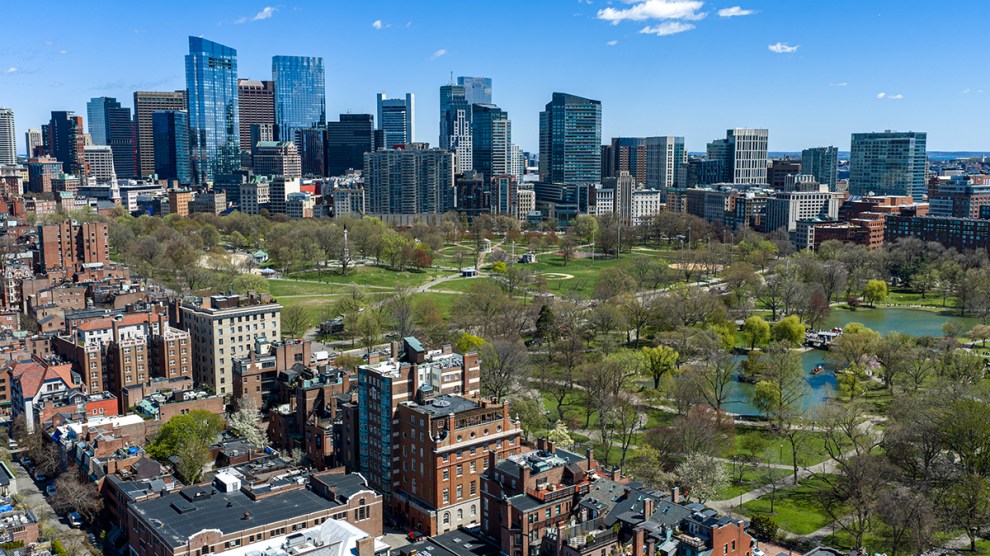
Boston advertised asking rents rose 0.2%, on a trailing three-month basis through April, to $2,876. The rate matched the U.S. pace, with national rents improving to an average of $1,758. This was the metro’s first T3 rate uptick since August 2025. The increase followed a softer stretch, with rents still down 0.6% year-over-year, and below the -0.2% U.S. evolution. Meanwhile, occupancy in stabilized assets fell 80 basis points year-over-year, to 95.6% in March. Boston employment inched up 0.1% through December 2025, trailing the 0.6% U.S. rate, as reported in the national multifamily report. Area unemployment stood at 4.1% as of March, below both Massachusetts (4.7%) and the U.S. (4.3%).
The metro lost 4,200 net jobs over 12 months, with gains in financial activities, government and manufacturing outweighed by larger losses in leisure and hospitality and trade, transportation and utilities. Recent corporate and life science commitments in the area, including Hasbro’s Seaport relocation and TransMedics’ 498,000-square-foot Somerville lease, show that expansion activity remained selective.
Developers completed just 499 units in 2026 through April, a mod est early-year volume, while the 13,400 units underway pointed to an eventual deceleration. Investment activity cooled to $586 million through April, down 26% year-over-year. Yet, pricing held firm, with the average price per unit rising 14% to $441,514, more than double the $193,181 U.S. figure.
Read the full Yardi Matrix Boston Multifamily Market Report: June 2026




Add Comment